Carpet Mold Inspection vs. Testing: Understanding What You Need
@underfootliving
When you spot a musty smell or a dark stain spreading across your carpet, the first question is usually whether you should call someone to look at it or collect samples to find out what is growing. Both steps matter, but they serve different purposes. Knowing the difference between carpet mold inspection and carpet mold testing can save you time, money, and unnecessary confusion. This article explains what each process involves and when one is more useful than the other.
What Carpet Mold Inspection Covers
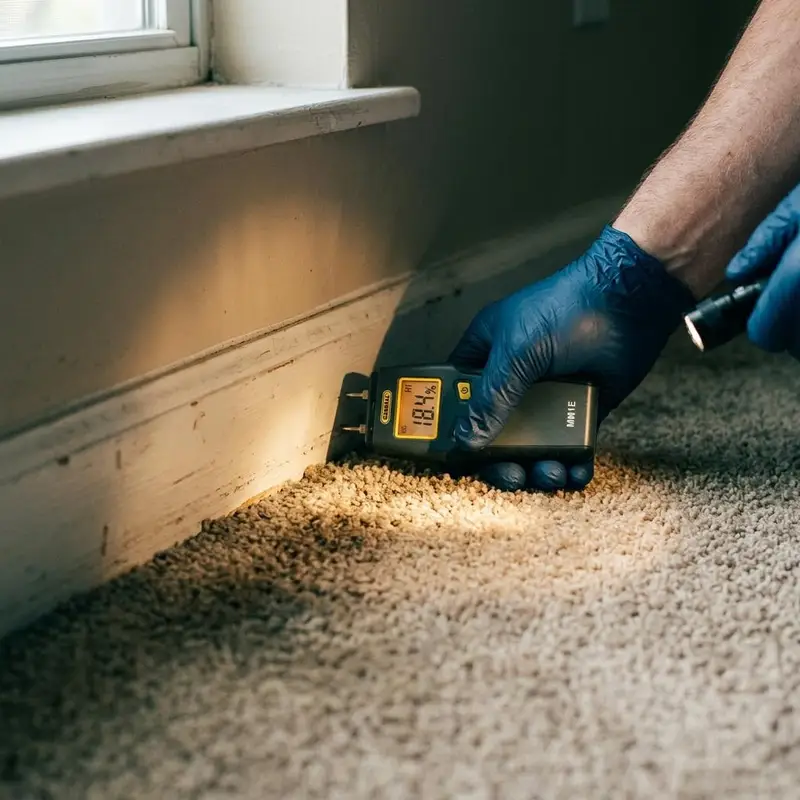
A carpet mold inspection is a visual and physical check of your carpet and the area around it. A trained professional walks through the space, looks for visible mold growth, checks for water stains, and uses moisture meters to detect damp spots in the carpet padding or subfloor. The goal is to find where moisture is coming from and how far it has spread. Inspectors also look for signs of leaks, condensation, or poor ventilation that could be feeding the mold. Carpet Mold Removal Services Pros carpet mold removal
This step does not require sending samples to a lab. It relies on the inspector's experience and simple tools like moisture meters, borescopes, and hygrometers. The results are immediate. You learn right away whether you have an active mold problem, where it is located, and what might be causing it. For many homeowners, this is enough to decide on the next steps. If the affected area is small and the moisture source is obvious, a thorough inspection can guide the cleanup without the need for lab analysis.
Inspection is also the first step that any professional will recommend. Even if testing is planned later, an inspection helps target the sampling. You do not want to send random carpet cuttings to a lab. You want to collect samples from the spots that actually have mold growth or high moisture. Carpet Mold Removal Services Pros carpet mold removal teams typically start with an inspection to map out the affected zones before any removal work begins.
What Carpet Mold Testing Involves
Carpet mold testing, sometimes called mold sampling or analysis, is a separate process. It involves collecting material from the carpet, the air, or a surface and sending it to a laboratory for identification. The lab can tell you what species of mold are present and in what quantities. This is useful when you need to know if the mold is toxic, when you are dealing with a large or recurring problem, or when a medical professional has advised you to identify specific allergens.
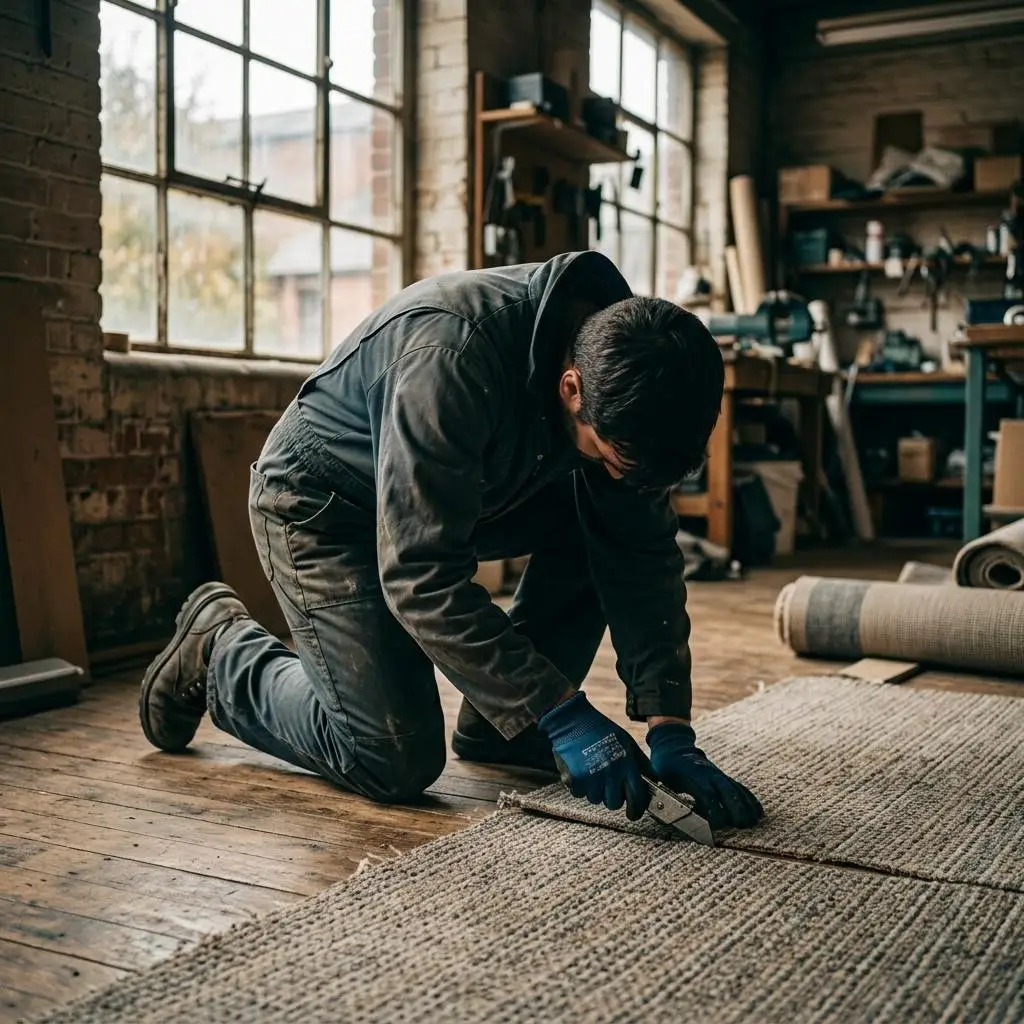
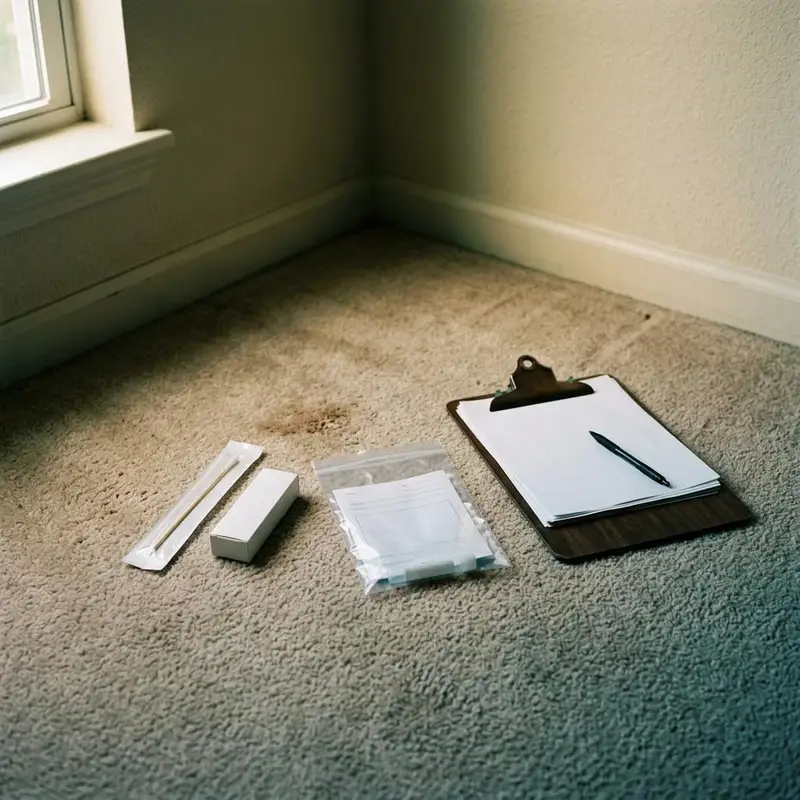
Testing comes in a few forms. Surface sampling uses a swab or tape lift to pick up mold from the carpet fibers. Bulk sampling involves cutting out a small piece of the carpet or padding. Air sampling uses a pump to capture spores floating in the room. Each method gives a different kind of information. Surface and bulk samples tell you what is growing on or in the carpet. Air samples tell you what you are breathing. For a full picture, inspectors sometimes combine these methods.
The downside of testing is the wait. Lab results take a few days to a week. You cannot act on the findings until the report comes back. Testing also costs more than a basic inspection because of the lab fees. For a small spot of mold that you can see and reach, testing is rarely necessary. You can see the problem, you know it is mold, and you can remove it. Testing adds detail but does not change the work that needs to be done.
When Inspection Is Enough
An inspection alone is sufficient in many common situations. If you notice a patch of mold on the carpet near a window where condensation forms, the cause is clear. The moisture source is the window, the mold is visible, and the remedy is to dry the area, treat the mold, and improve ventilation. A professional inspection confirms the extent of moisture damage and checks whether the padding underneath is also affected. That information is enough to move forward with cleaning or removal.
Inspection is also the right call when you are buying or selling a home and want a quick assessment. A home inspector may flag visible mold, but a specialized carpet mold inspection digs deeper into the carpet layers and subfloor. The report gives you a clear picture of whether the carpet can be saved or must be replaced. It does not tell you the exact species, but it tells you the severity and the likely cause. For most real estate transactions, that is all that is required.
If you have already had mold problems in the past and the area was properly dried and treated, an inspection can confirm that the mold has not returned. Regular inspections, once a year or after a flood or leak, are a good preventive habit. They catch small issues before they become large ones.
When Testing Makes Sense
Testing becomes valuable when you need to identify the mold for health reasons. Some molds, such as Stachybotrys chartarum (black mold), produce mycotoxins that can cause respiratory issues. If someone in the home has asthma, allergies, or a weakened immune system, knowing the exact species helps the doctor advise on precautions. In these cases, a carpet mold inspection identifies the sampling locations, and testing provides the species data.
Testing is also useful when the mold is hidden. Mold can grow under the carpet, inside the padding, or on the subfloor without showing on the surface. A visual inspection may not detect it. An air sample, however, can pick up elevated spore levels in the room, indicating a hidden reservoir. If the inspection finds suspicious moisture readings but no visible mold, the next logical step is to take a sample and send it to a lab.
Another scenario is when you are dealing with a large area of contamination, such as after a flood. In that case, the carpet and padding are often removed entirely, but you still need to know if the subfloor and walls are contaminated. Testing can tell you whether the mold has spread beyond the carpet layer. This information guides the restoration crew on how much material to remove and whether antimicrobial treatments are needed.
How the Two Work Together
In practice, inspection and testing are not competing options. They are complementary steps in a thorough assessment. The inspection provides the context and the testing provides the specifics. A good approach is to start with an inspection. If the inspector finds clear mold and a simple moisture source, you may not need testing. If the situation is complex, or if health concerns are present, the inspector will recommend targeted sampling.
For example, a team like Carpet Mold Removal Services Pros would first inspect the carpet to identify all areas with moisture or visible growth. Based on that map, they might take a few surface samples from the worst spots and one air sample from the room. The lab results then confirm the species and spore counts. This combined approach ensures that the removal work is focused and effective. It also provides documentation if you need to file an insurance claim or show a doctor what you are dealing with.
If you skip the inspection and go straight to testing, you risk collecting samples from the wrong spots. A single air sample from the middle of the room might miss a concentrated source behind a baseboard. A surface sample from a dry area might come back negative even though mold is growing a few feet away. The inspection guides the sampling. Without it, testing is a shot in the dark.
Practical Steps for the Homeowner
If you suspect mold in your carpet, here is a rough order of actions to consider:
- Look and smell. Visible discoloration, a musty odor, or a damp feeling underfoot are all signs that something is wrong.
- Call a professional for a carpet mold inspection. They will check the carpet, padding, and subfloor with moisture meters and visual cues.
- Based on the inspection results, decide whether to proceed with testing. If the mold is visible and the area is small, cleaning may be all you need.
- If testing is recommended, ask what type of samples will be taken and what the lab will look for. Surface and air samples give different information.
- Once you have the results, plan the remediation. This may involve cleaning, drying, or removing the carpet and padding. Use the findings to guide the work.
Throughout this process, keep records. Photographs of the affected area, the inspection report, and the lab results are useful for insurance purposes and for tracking the condition of your home over time.
A Final Word on Professional Help
Mold in carpet is not just a surface issue. It often extends into the padding and subfloor, where it can spread unseen. A professional inspection gives you a clear understanding of the problem before any money is spent on removal or treatment. If testing is needed, it adds a layer of certainty about the health risks and the extent of contamination. Carpet Mold Removal Services Pros carpet mold removal services are designed to handle both the assessment and the cleanup, ensuring that the job is done thoroughly and safely.
Whether you need an inspection, testing, or both depends on your specific situation. For most minor mold spots, an inspection is enough. For larger or hidden problems, or when health is a concern, testing provides the information you need to act with confidence. The key is not to skip the inspection step. It is the foundation that every good remediation plan builds on.